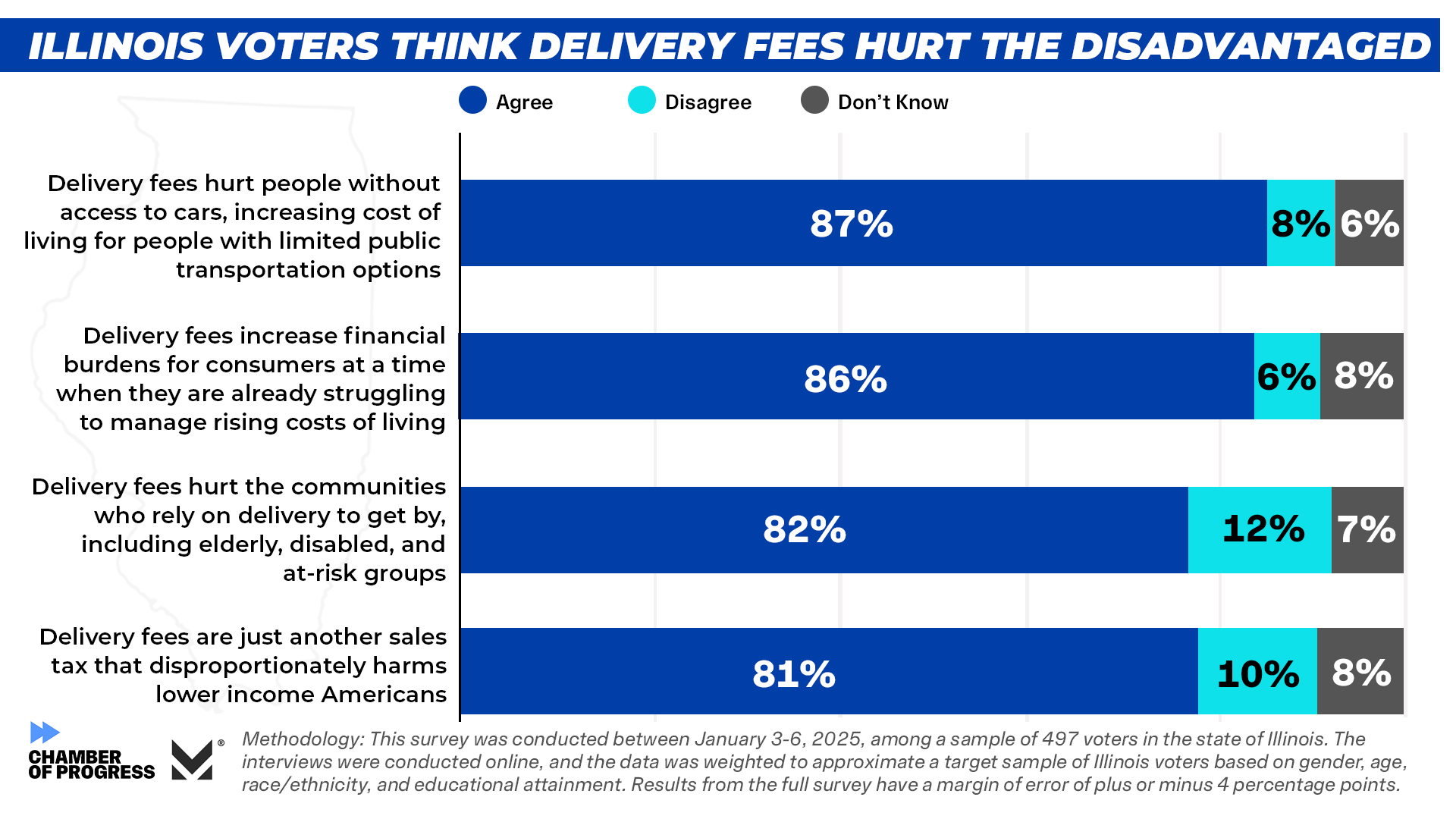
A delivery tax would put an unacceptable strain on the budgets of the more than 1 in 4 Illinoisans living in communities lacking access to nutritious food, elderly and disabled communities who rely on delivery services for basic necessities, as well as low-income families often hit hardest by rising prices.
Increasing the cost of delivery would push people to make their own trips to stores and restaurants, increasing emissions and congestion. Delivery services are more efficient, with optimized routes and a single vehicle making deliveries to multiple households.
Increasing prices for consumers and compliance costs for businesses will make it even harder for small businesses to grow and compete. In Colorado where delivery taxes are in place, small businesses have reported spiking compliance and accounting costs at a time when they can least afford it.
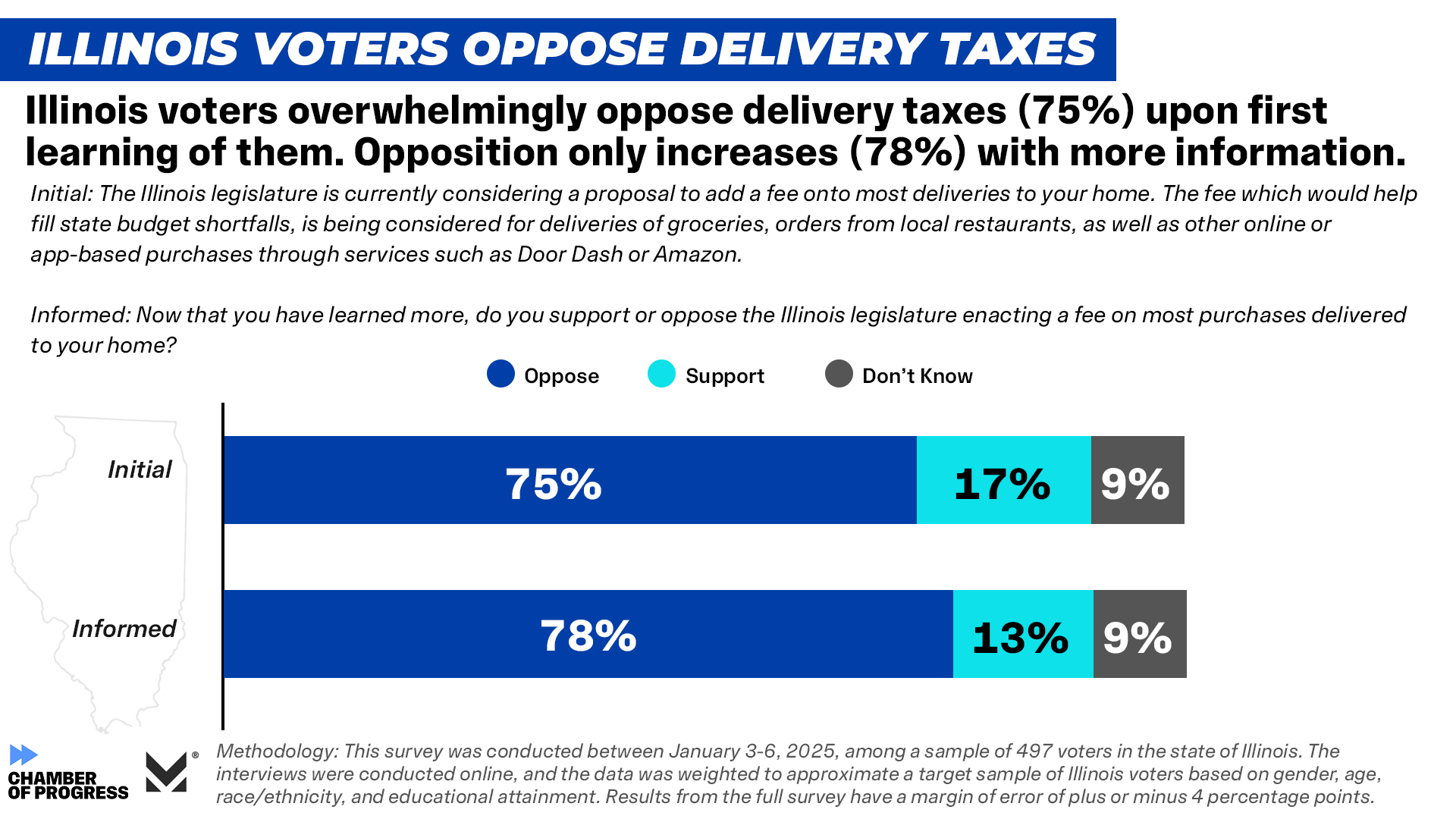
According to polling from Morning Consult, an overwhelming majority of Illinois voters oppose delivery taxes.
86% of voters in Illinois also agree that delivery fees increase burdens for consumers already struggling with rising costs of living, and two-in-three Illinois voters say they are less likely to vote for lawmakers who support delivery fees (64%).

"As faith leaders in communities across Illinois, we write to express our strong opposition to the proposed delivery tax...This tax would disproportionately impact those who are already vulnerable. For many in our congregations, delivery is not a luxury; it is a necessity. Seniors, disabled individuals, and working families with limited mobility or time rely on delivery to meet their daily needs. This policy would make their lives more expensive and more difficult."
Pastor Cornelius Parks
Pastor Clift Caldwell
Pastor John Zayas
Reverend Don Abrans
Natalie Manning
Celia Colon
Pastor Maurice Gaiter
Bishop Tim Pleasant
"The regressive nature of the tax will have the worst effect on vulnerable populations, including low-income people unable to afford or store bulk orders, seniors, single parents and everyone without their own transportation."
Illinois State Senator John Curran
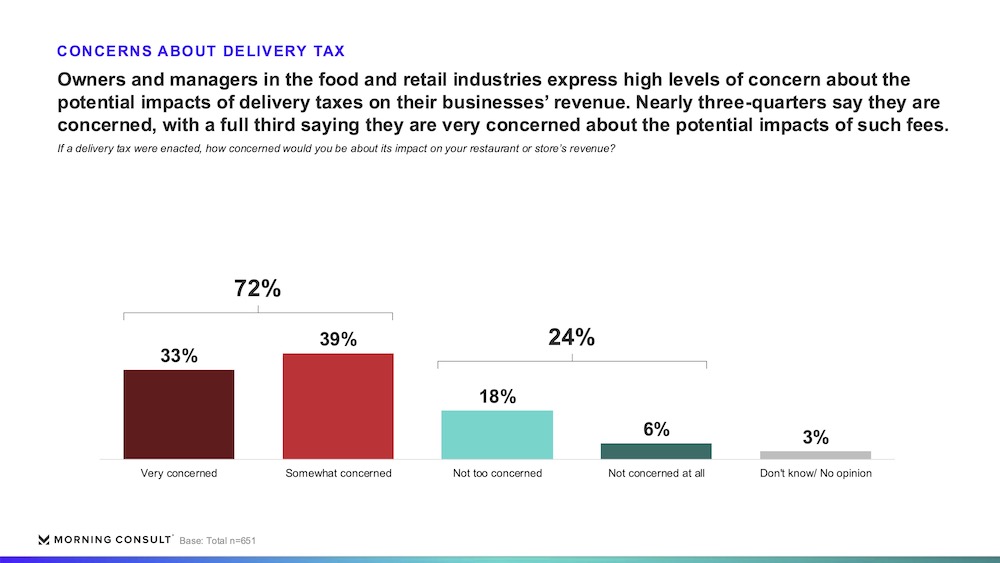
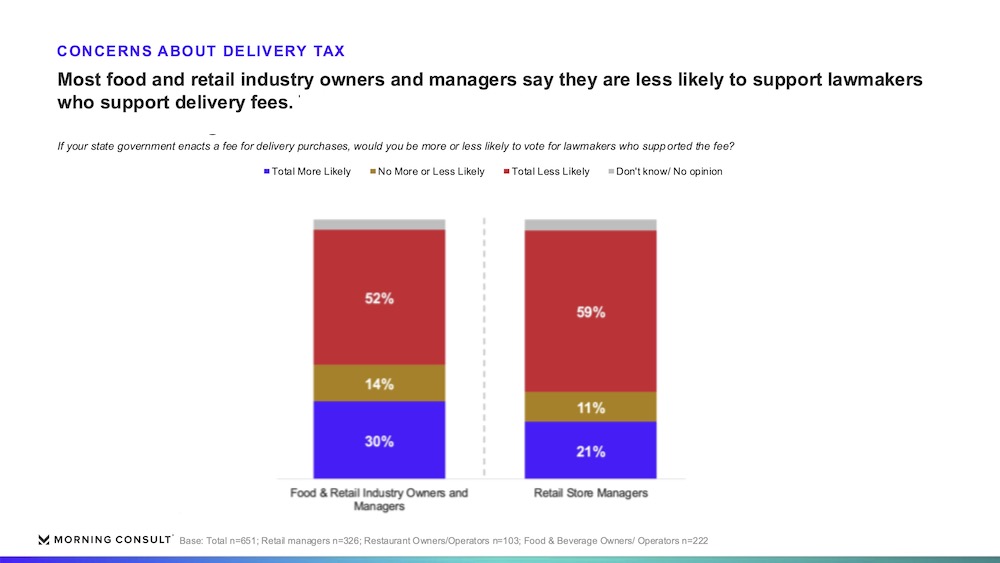
In a nation-wide survey of business owners and managers in the food and retail industries, owners and managers overwhelmingly say delivery is crucial for the success of their business (89%). In addition, nearly three-quarters (72%) of owners and mangers express worry about the impact of delivery taxes.
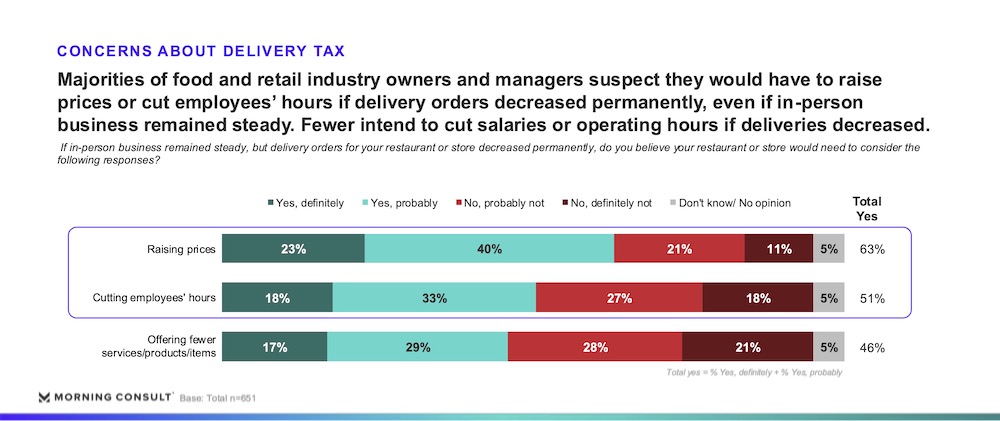
If delivery orders declined as a result of delivery taxes, a majority of owners and managers also say they’d have little choice but to raise prices and cut employee hours in response.
In addition, majorities of owners and managers agree that state lawmakers are offering outdated policy solutions to their problems and say they would be less likely to vote for lawmakers who support delivery taxes.
Read the full report for more details on how owners and managers believe delivery taxes undermine small business stability – at the expense of workers and consumers.
Analysis by Kaitlyn Harger, Senior Economist with Chamber of Progress, suggests that low-income households, individuals with disabilities, and older adults in Illinois would be disproportionately affected by delivery taxes. Small businesses could also face additional financial strain, leading to job losses and reduced wages.
"The delivery tax is estimated to cause direct job losses across multiple sectors, including restaurants, grocery, e-commerce, and delivery services...Indirect and induced effects bring the total labor income loss to almost -$220 million and a reduction in economic output of almost -$605 million annually."
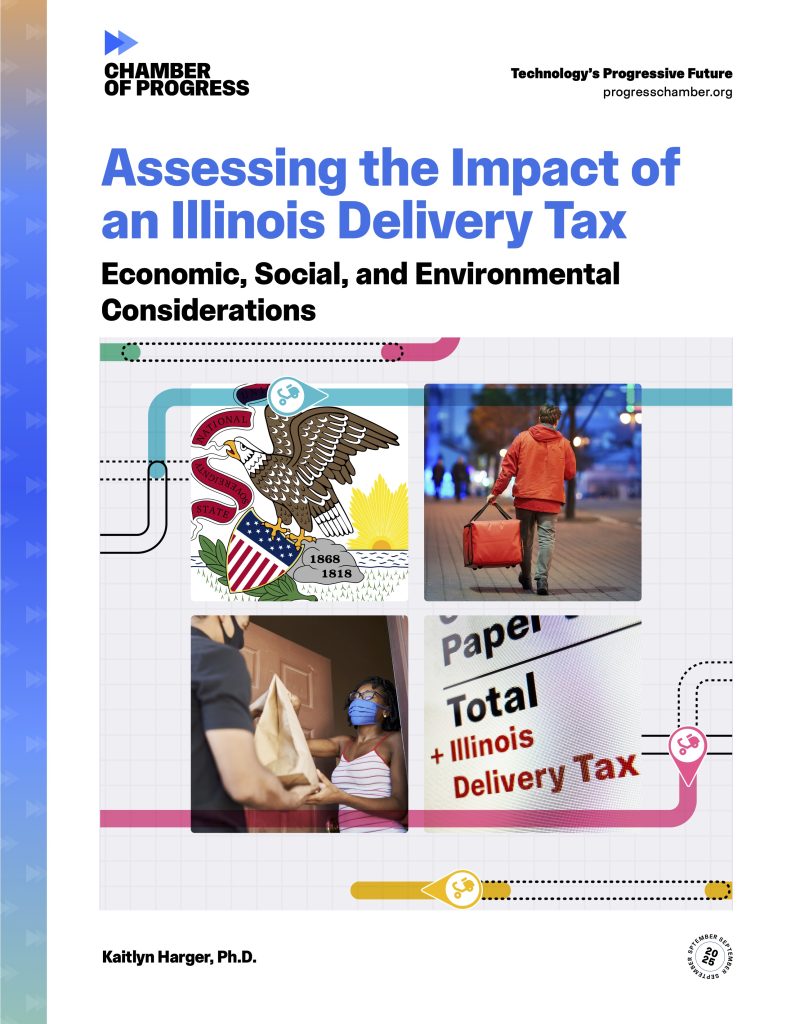
Colorado and Minnesota are the only states that have adopted taxes on deliveries. In both states, small businesses, consumer advocates, and voters spoke out against the added strain on their budgets.
“Some small business owners are sounding o against a new fee that’s set to take effect on retail items that customers purchase and have delivered…More than 500 small businesses and individuals expressed concerns about the new fee during a rulemaking hearing…”
“The new fee is occurring at a time of record-setting inflation, spiking home prices, and a general sense of how unaordable living in Colorado has become, particularly in metro Denver. It’s also occurring even as elected officials promise to do everything in their power to lift the economic burden on residents.”
“(The) fee…promises to be especially burdensome on elderly, handicapped, and lower-income Minnesotans who rely on deliveries because it’s harder for them to get out.”
“[The] bill does not account for the intricacies required for a retailer to build a system to track, collect and remit the fees. […] Retailers will need to substantially invest in resources to comply with the fee, yet there is no support for that administration.”
“The tax increase will certainly touch every Minnesotan, but for vulnerable and low-income communities, the tax hike will scrap carefully balanced budgets. As many consumers are already struggling to make ends meet, this tax will only further push them behind.”
“Busy families, elderly, and the disabled rely on delivery services daily to maintain their livelihoods and access essential everyday items. They depend on food, household items and personal care items to be delivered to their homes, and this proposed tax would only add another burden.”
“Minnesota Retailers Association’s Bruse Nustad […] says it’s a “pretty regressive” tax especially on the elderly and people with disabilities who rely on delivery.”
No Doorstep Tax is a project of the Chamber of Progress.

Get updates on the latest news about doorstep delivery taxes right to your inbox.
Copyright © 2023 – 2025 | No Doorstep Tax | Privacy Policy